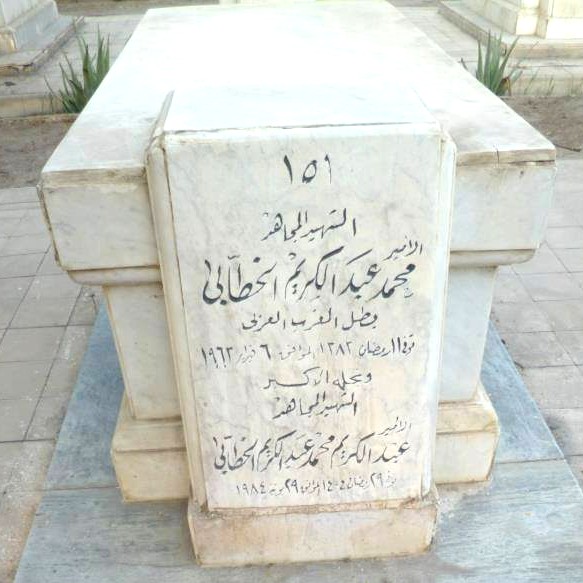
Rif war: 100 years after

Following in Abdelkrim Khattabi steps, 100 years after

  • The birth of a legend

     “Dear Comrades, you came to me to learn about the liberation wars. But in your recent History there is Abdelkrim El Khattabi, who is the principal source from whom I learned what the liberation wars were about.” Mao Tse Toung, 1971.

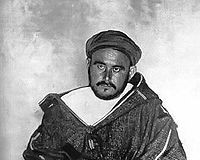
    It all started with a legend. Some children hear about Ulysses, others about Don Quixote or Richard the Lionheart. I heard about Abdelkrim. Often. At lunch, when watching a war movie, when I was afraid of a spider.. I imagined him as a giant, with a long beard, thick eyebrows and a huge saber in his hand.

    Slowly I got to know more about him, and one day he was mentioned during my history class. I remember that all my classmates turned to look at me. But instead of feeling proud, I felt ashamed. Ashamed of not being him, not being strong, not being charismatic. I was only a teenager in love of maths, dreaming of a normal peaceful life.

    And later it came to me that I was blessed for having these normal, simple dreams. And if I could afford not having to be strong or charismatic, it was thanks to all those who sacrificed their dreams and serenity and life to allow us having ours.

    So I first wrote a book about him, and all those who fought courageously for our freedom. Not a history, detailed book, but a novel. To give life to them, give them names, and feelings and dreams, not just numbers that add-up to the outcome of the war. That’s how “Les fantômes de l’Histoire”, Editions Bouregreg, 2021 emerged from my imagination and at least 7 History books that I went through during the first lockdown.

    But it was not enough, I also wanted to follow his path. Their path. See the land they have been fighting for, inhale the air they have been breathing, and feel the warm breeze that gave them strength.

    And there we go!

    To comment or like, please click on the recent posts

    Note: This blog is meant to live and evolve. You might have a version of the story of your own, a different legend, different heroes. Please share respectfully. I have my own historical references, but compiling the different versions will help us get closer to what really happened. You can share in english, français, español, عربي.

  • When I went to the city where all this started, my whole journey was organized: I was in touch with a man whose brother would help me find my way through the ups and downs of the Rif mountains. My second daughter came with me, excited to learn more about my hero.

    We are talking about Morocco: nothing went as planned.

    So I spoke to Ilyas, my hotel receptionist, asking him if he could be of any help. Interested in the subject and my project, he made a couple of calls, gave me the name of a specialist and arranged a whole day in the footsteps of Abdelkrim.

    We are talking about Morocco: things always end up being realized.

    This day was magic! Anouar, the driver, was passionate about the story of Abdelkrim. I guess it was quite common in the region. Instead of just taking us to the places I was interested in, he told me a lot of things that he had heard about Abdelkrim and other famous locals, as well as stories and legends.

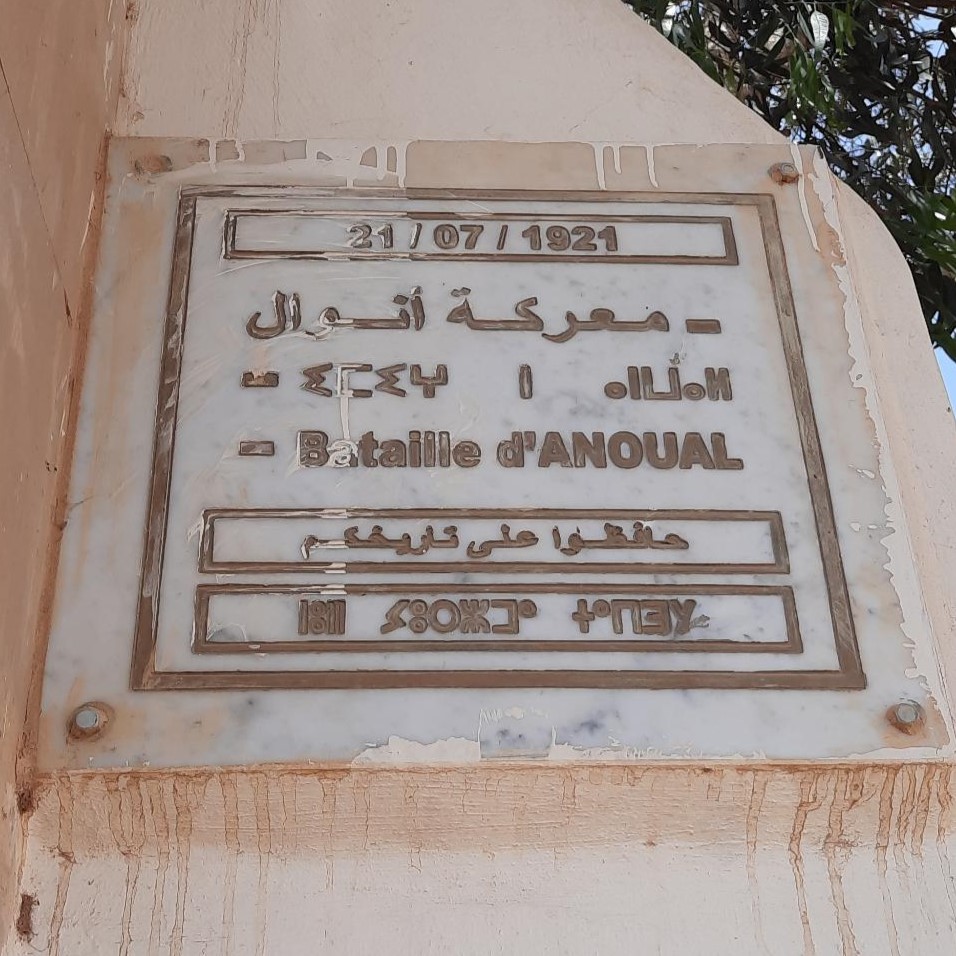
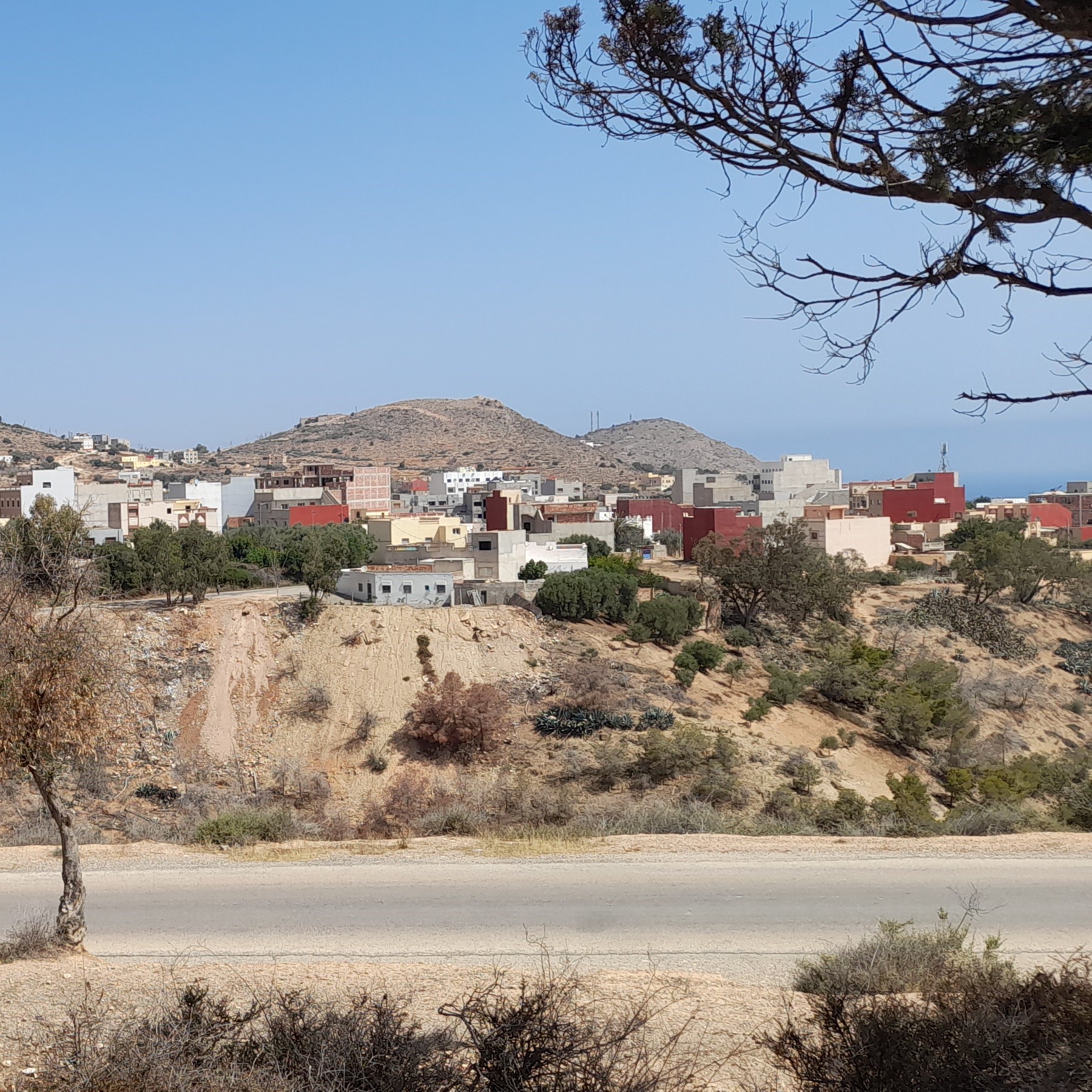
    We first stopped by a small farm on a hill, with a stunning view of the Mediterranean Sea. Anouar told us that it was the last known house of Abdelkrim. But we were greeted coldly by the owner who told us that all this was wrong, and that it led to some trouble with a so-called heiress. After reassuring him about our intentions, we left and on our way stopped an old passerby to ask him if he knew about Anoual battle and Abdelkrim army. He remembered his mum telling him that “blood flowed like a river”, and heard that more than 12’000 Spanish died that day. He also explained how the land was still suffering from the chemical residues of the bombs. But slowly his memory started to have trouble finding a clear path in labyrinth of his life. We eventually thanked him and let him continue on his way.

    The second place we sent to was the old arsenal, but we could not see it from inside since we needed a special authorization and could only get a picture of it. Nevertheless, the site was surprisingly well restored, and located on a beautiful hill.

    Saving the best for last.

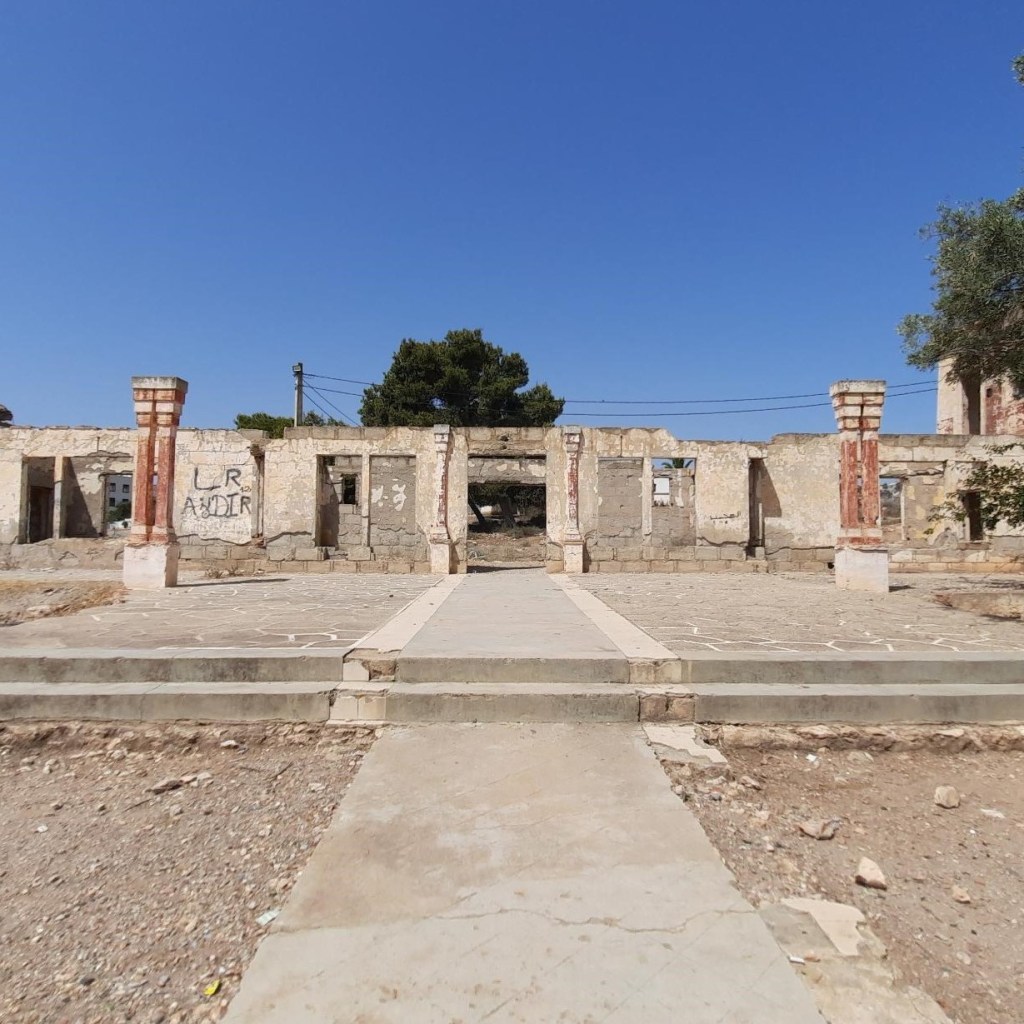
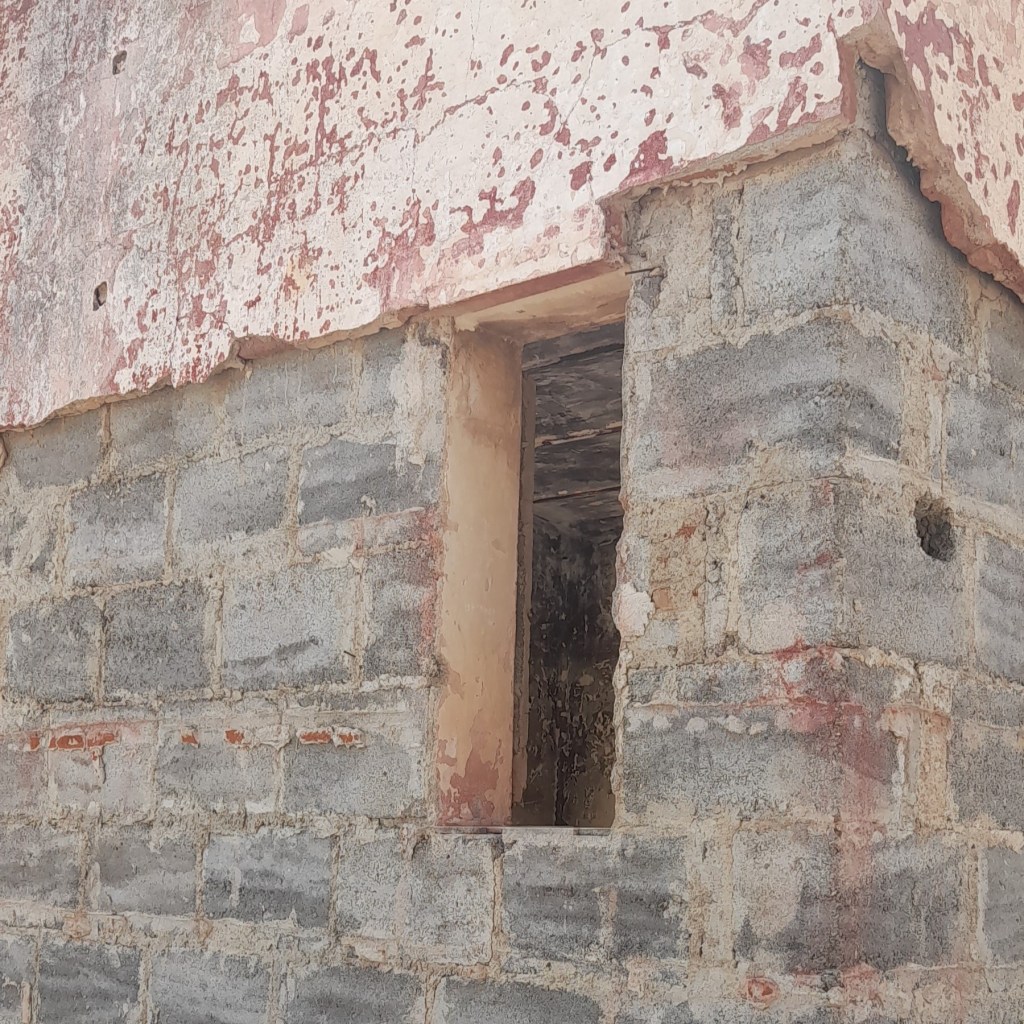
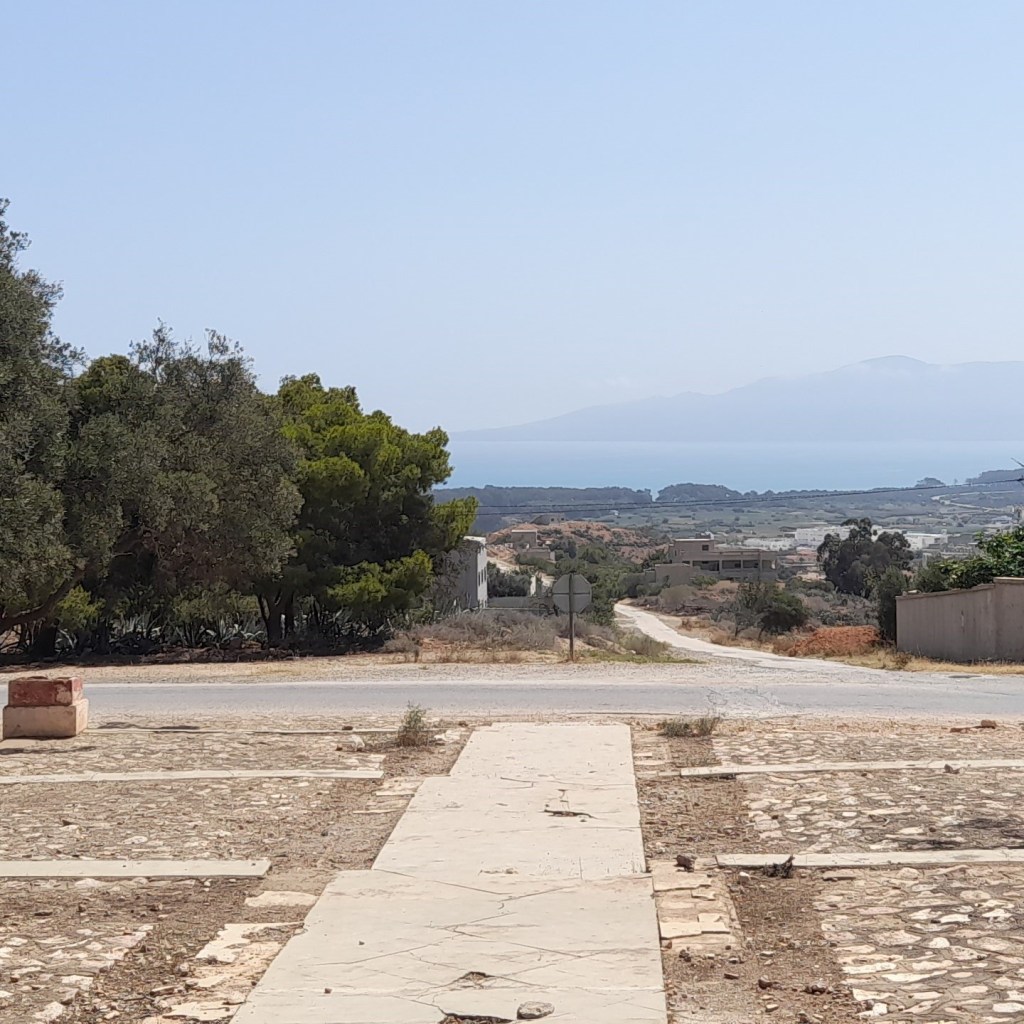
    We concluded our “100 years after” tour with the visit of the famous Ajdir headquarters, “ficina” from the Spanish oficina. Ajdir is Abdelkrim’s hometown. He spent the first part of his life there, and had his home and headquarters in what is today a pile of ruins. My heart balances between the sadness of seeing this place abandoned, and the impression of proximity to Abdelkrim through the walls that surrounded him for many years. Either way, the presence of debris and dirt does not affect the magic of the place, nor the breathtaking view that we have from it. For some reason this place has not been classified as a historical monument yet, but the importance given to the Anoual site shows that it is just a matter of time.

  • « What is going on in the Rif reveals the destiny of all the colonial power of Western Europe, mostly the French empire in Africa” Marshal Hubert Lyautey

    Yes I know. I went to the Reunion Island before Al Hoceima, playing it Star Wars and its chaotic episodes. But life is about opportunities, right? An opportunity did arise, and I made hay as the sun shone: the idea of opening this blog was beginning to form in my mind when I came across the ads of a journey on the Reunion Island with a group of women. I immediately joined in, not knowing the surprise I would find there.

    The lady who organized the trip arranged an afternoon around the story of Abdelkrim. We headed towards Saint-Denis where the first building that housed the family was located, but stopped on our way to collect Clovis, a heritage guide who showed us the way to the last house of the Khattabi’s. It was a sort of upside-down visit, I guess like the whole story, but since we were supposed to spend the night in Saint-Denis, I decided that it didn’t matter.

    As we know, Abdelkrim, his family and his domestic staff moved twice. After Château Morange in Saint-Denis, they went to Castel-Fleurie in Chaudron where the Emir’s mother died, and eventually settled in Trois-Bassins and its agricultural field. Clovis explained to us that Castel-Fleurie had been destroyed by a hurricane, and rebuilt differently. Only the front stairs remained.

    “We’d better go to the chemin Marocain where you can see the last property of Trois-Bassins from the outside. Unfortunately, it belongs now to the mayor and we cannot go in.”

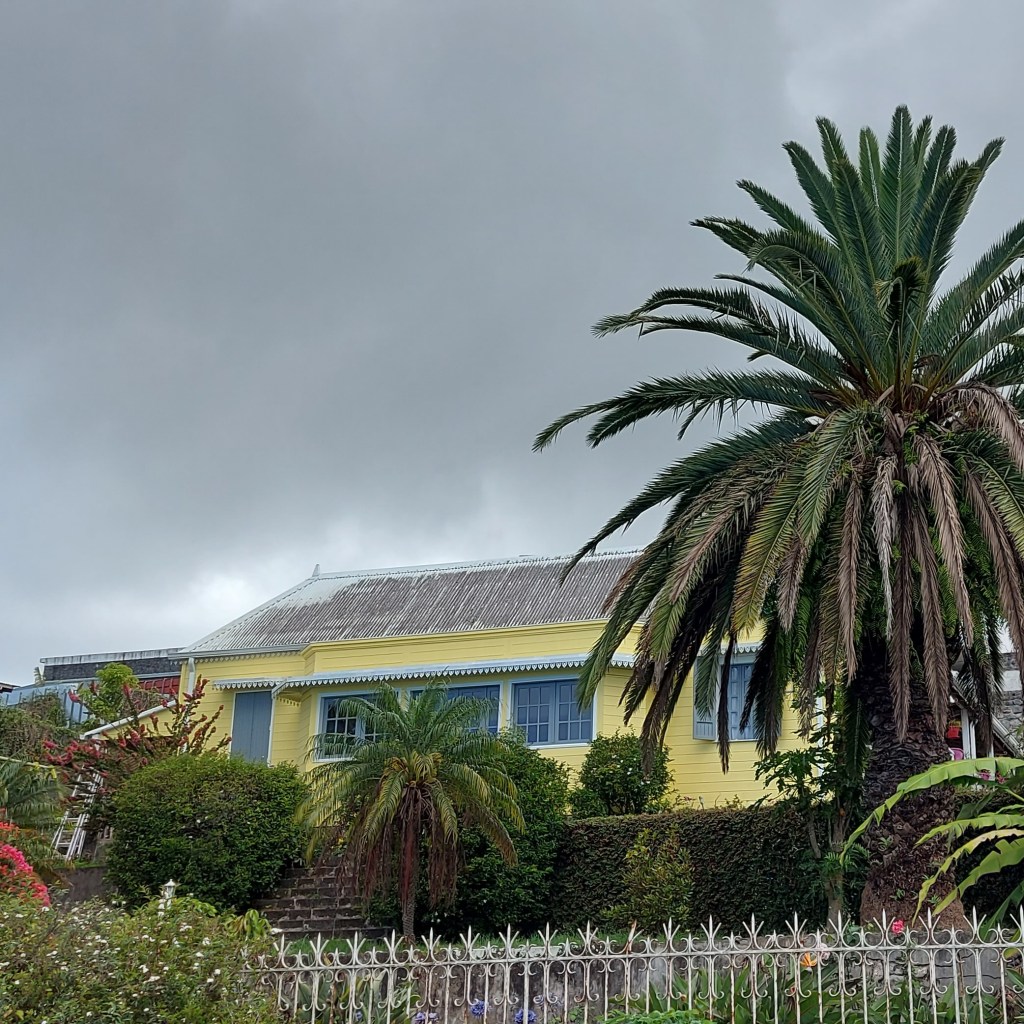
    The house is located on a hill, far from the furnace of Saint-Denis. I guess that Abdelkrim, used to the fresh air of the mountain, suffered from the high temperatures and humidity of the capital and chose a cooler place to dwell. The front door was visible from the street, but the fields that were devoted to geranium were hidden. Are they still there?

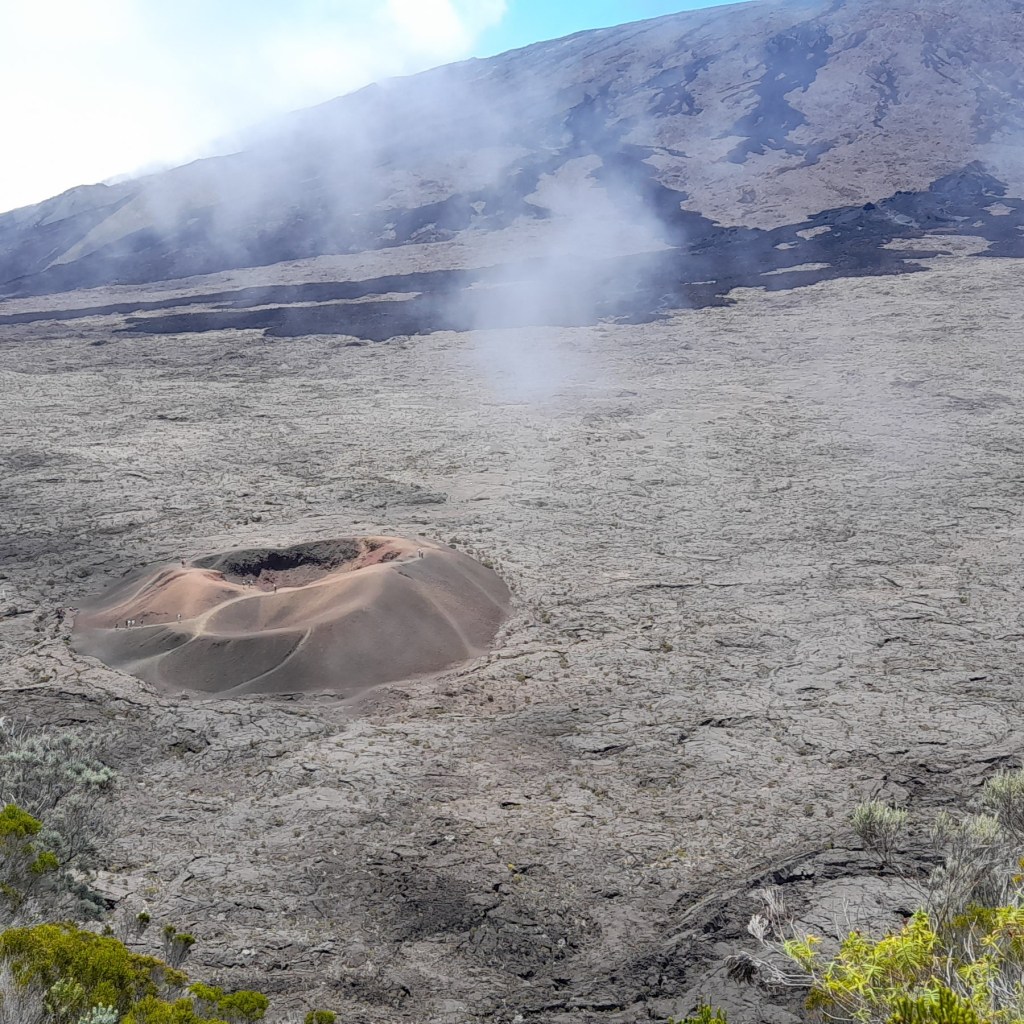
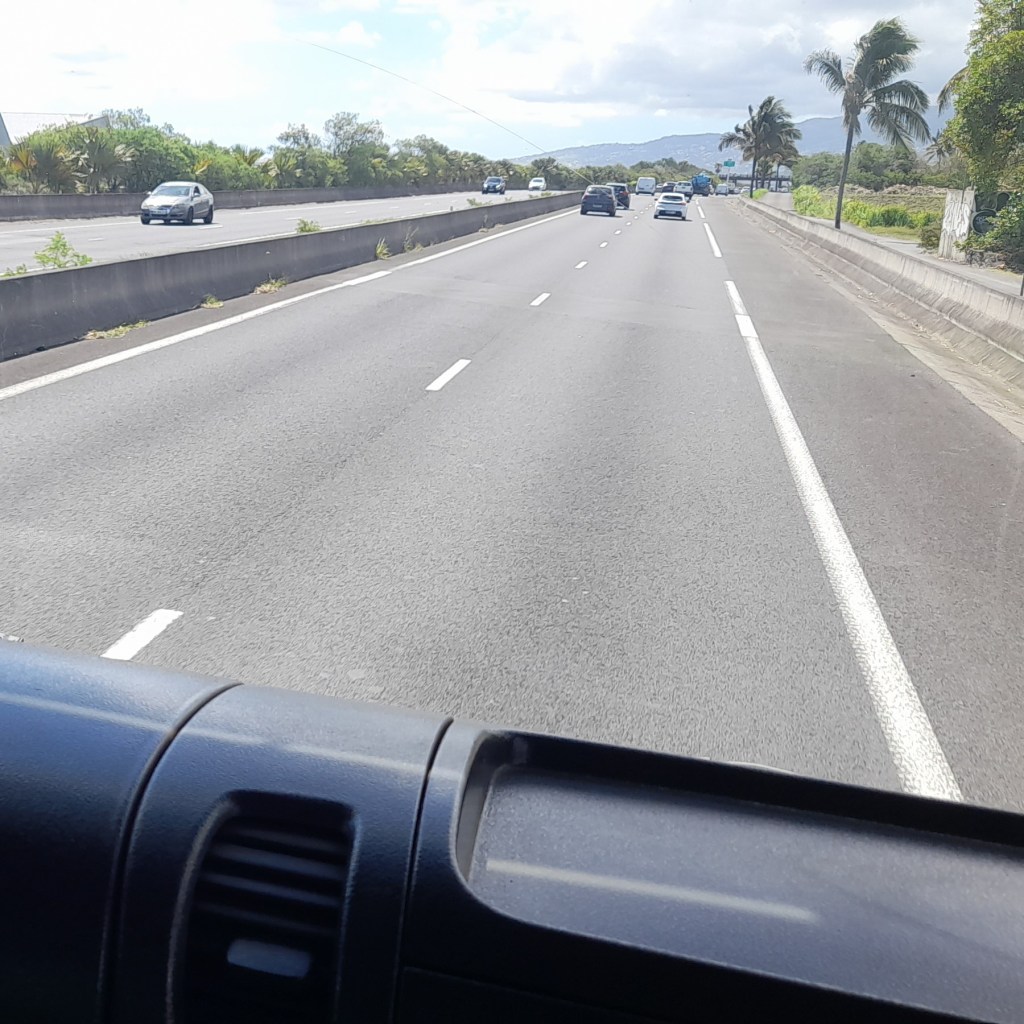
    Clovis knew a few about Abdelkrim, although the name rang a bell. We decided then to continue to Saint-Denis where Laurent, a historian, was waiting for us. My first impression when we arrived in Saint-Denis, was the heavy traffic. Cars everywhere, horns getting impatient, people showing signs of exhaustion. And the moist heat, oppressive, unbearable. I try to imagine when Abdelkrim’s family was forcibly brought, after 40 days on a boat, to this unknown and hostile land, full of dry lava and mosquitoes.

    How did it feel?

    I don’t know how it felt, but I know how I felt. It was weird, unreal, but when we approached Château Morange, I was overcome by emotion. Just like you feel when you go back home after a long time away: anxious, hesitant and impatient. Despite the transformation of the place, fully renovated and turned into a cultural center, the exiled were still there. Their energy, their anguish, their hopes. Only the park became a poorly maintained school complex.

    “At least they were well received!”

    I nearly strangled the old woman. I didn’t know who she was, what she was doing there, but I could tell from her insane words that she was oblivious to the events of 1926. I tried to stay calm and explained that when Abdelkrim unwillingly arrived, the house was unfit for habitation. There was no drinking water and the walls were covered with mould and cracks. Laurent confirmed and started to give details:

    “ Despite the insalubrity of this place, it was the best the French could provide in such a short period of time. Abdelkrim was considered as an important leader, just like Ravalona III, queen of Madagascar, and Said Ali Bin Said Omar, king of Comoros. As soon as the tough surveillance around him started to relax, he forged close ties with the Reunionese. His intelligence, humility, and natural kindness quickly won over the hearts of the locals. There are photos of him in every prominent family in town. He was a respected Imam, and a distinguished freemason..”

    Wait a minute: a WHAT??

    I insisted and asked again, thinking that Laurent had made a mistake. How can Abdelkrim, a Moroccan Qadi who fought against colonialism and a respected Imam among the Muslim Reunionese, be a freemason?? But Laurent confirmed that for some reason, a lot of exiles were part of the local masonry. I checked and checked on the net, but found nothing to affirm this information. The only logical explanation can be found in the Great Orient of France. It was designed adogmatic and liberal, freeing its members from any kind of belief or religion. It claims to be humanitarian and most of its members were socialists and fought discrimination. They met to talk about morals, ethics and spirituality. Could it be that Abdelkrim got in touch with them to find some support in his fight for the independence of Morocco?

    If you have a clue, I would love to hear from you!