This journey on the steps of Abdelkrim was meant to be.
I was just thinking about the final stage of my 100-year-after pilgrimage when I came across a post on social media. I had met Fatima, one of Dubai Musts’ CEOs in Qatar last year, and found her women-only trips interesting. I did not know then that it would lead me to the last step of my project.
The post was advertising a mother and daughter trip to Cairo, exactly my destination! None of my daughters were free at that time, but I decided to join anyway. Cairo was ready for me, and I was ready for Cairo. It was a good decision because it turned out to be a trip full of activities and good time. All women who joined seemed to have passed a sort of “lovely and cheerful” test, for they were all great, and we had a perfect balance between good food, activities, rest time and visits. It was so cool that I almost forgot what I had come for.
But hearing the name Farouk reminded me of Abdelkrim, so I started to ask tourist guides, taxi drivers and salesmen about him, the Moroccan hero who had spent his last 20 years in Cairo. In vain. None remembered him. He has been gradually buried under the layers of history, hidden by the many personalities who populated the city, and erased from the streets, the walls and the memory.
But I insisted, and the last day a driver took me through the thick traffic of Cairo, between chic neighborhoods and open dumps, to help me find even a small trace of Abdelkrim. Between old streets that looked alike and new buildings that had replaced the old ones, there was nothing outstanding. Only maybes and why nots.
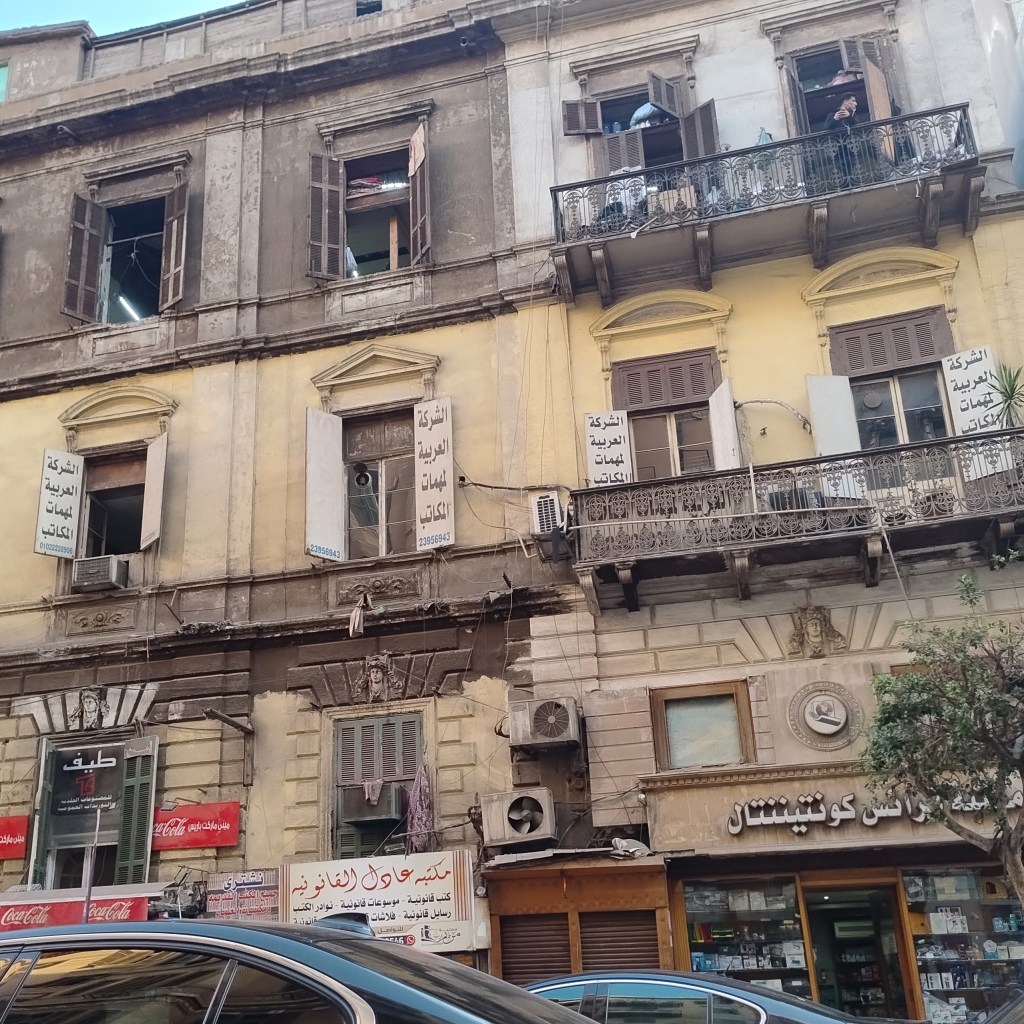
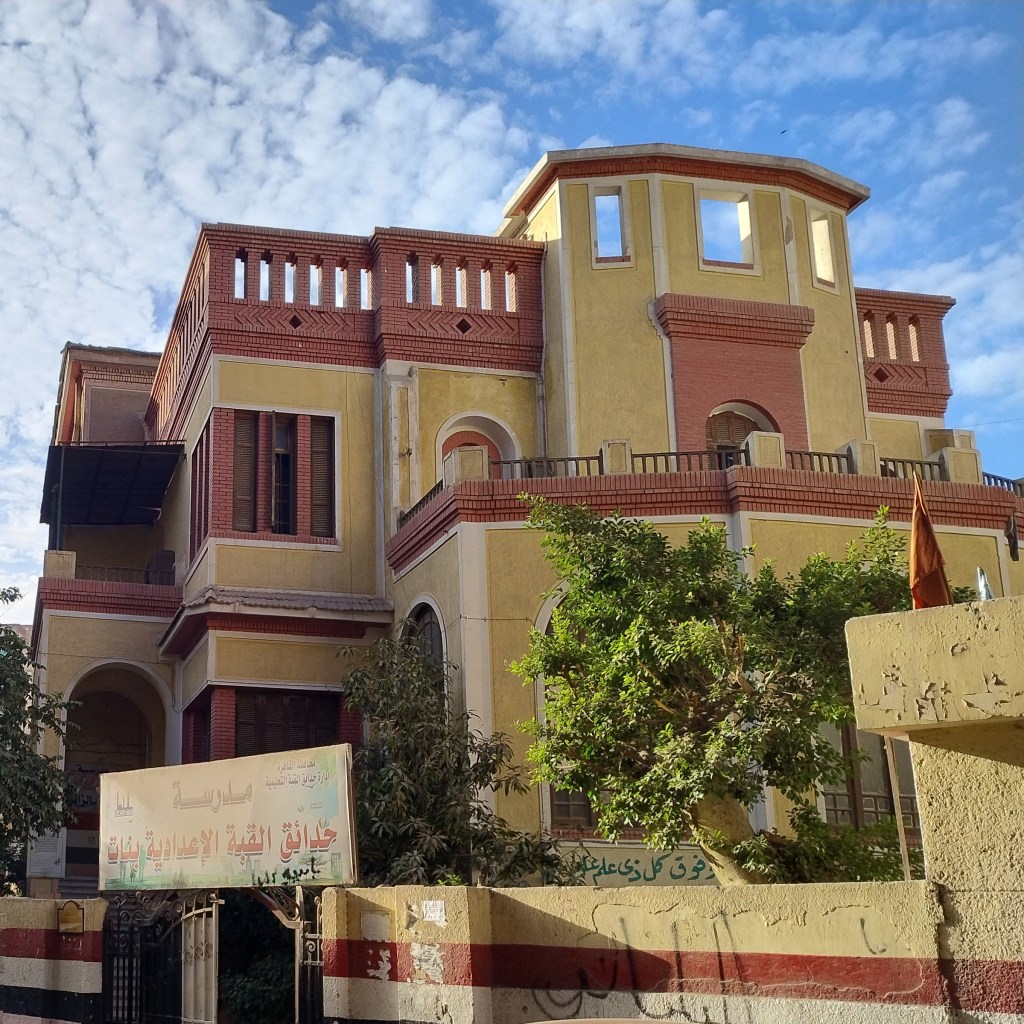
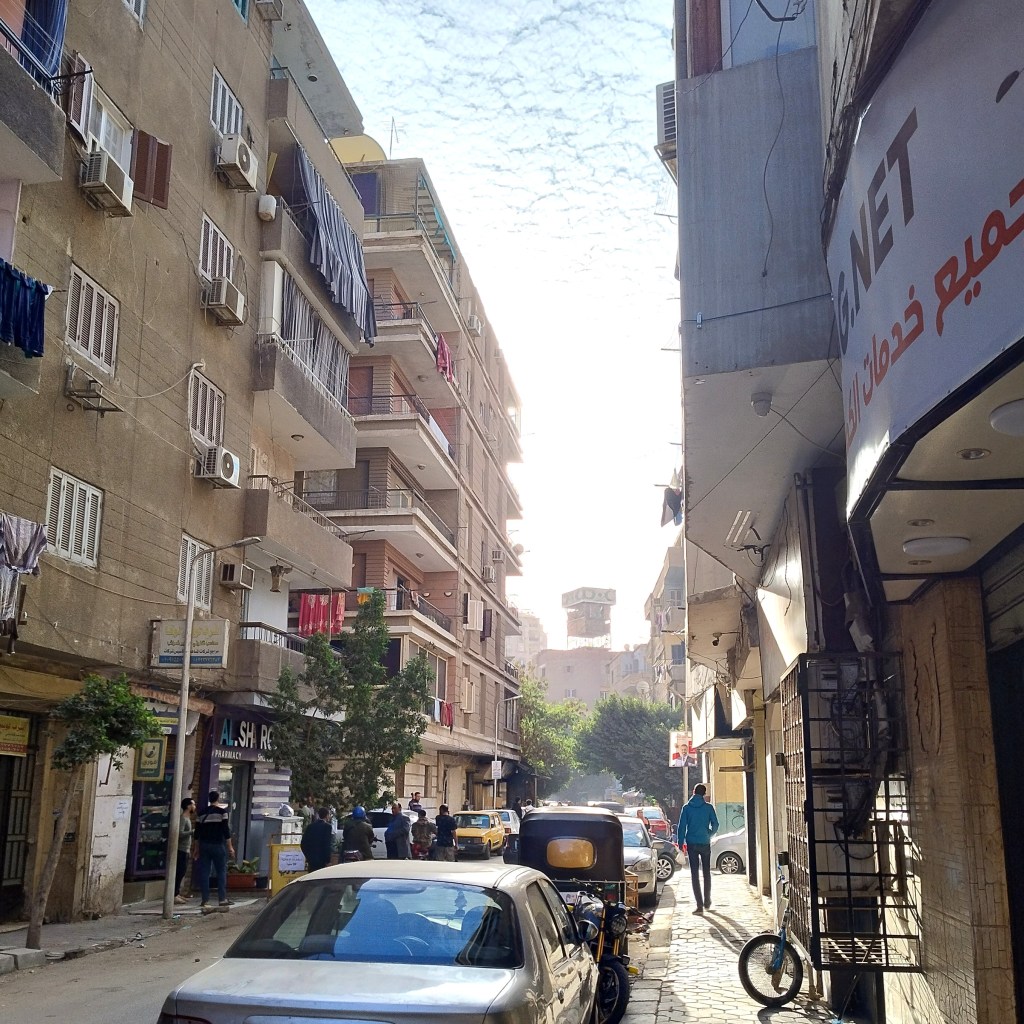
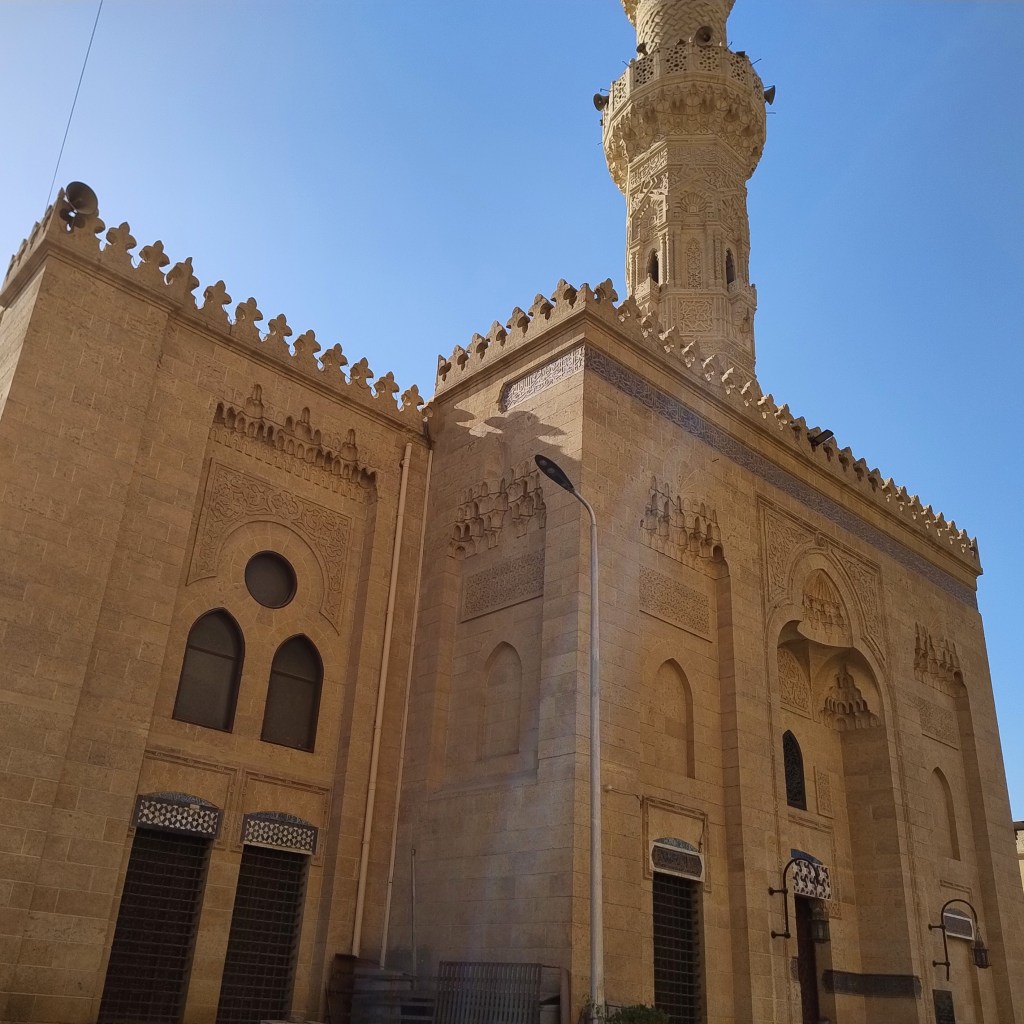
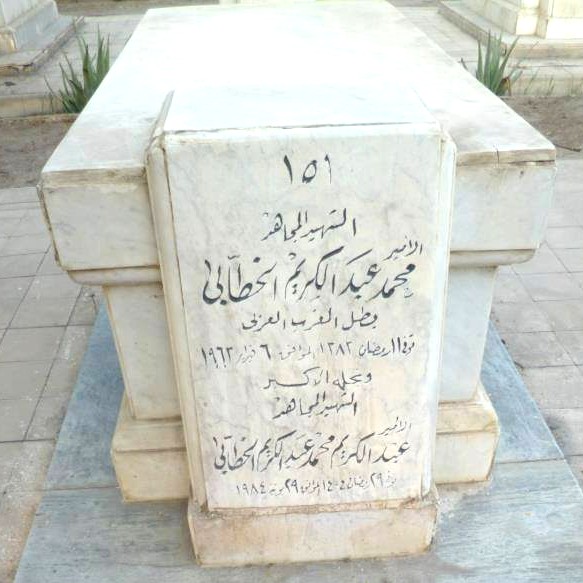
And it popped into my head, like a sudden flash of insight. While he is not remembered in Cairo, it is the opposite in his hometown, where he is still present in every home, every song, every street. Since his exile in 1926, he had never stopped hoping to return home.
I guess he finally did.


 Rif war: 100 years after
Leave a reply to Bettina Thomson Cancel reply